


-

Add: HeBei ShengShi HongBang Cellulose Technology CO.,LTD.
-

Email
13180486930@163.com -

CONTACT US
+86 13180486930
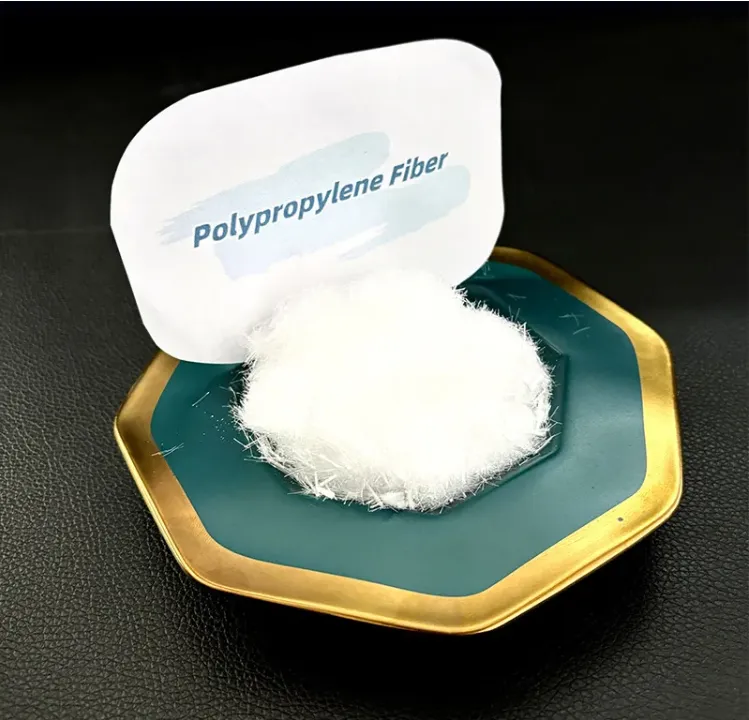
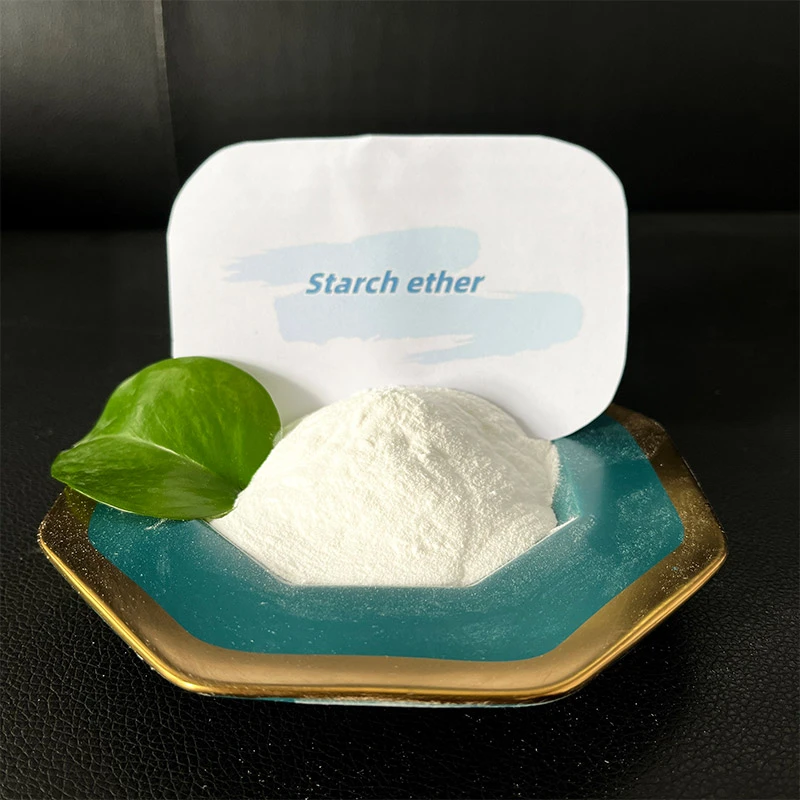


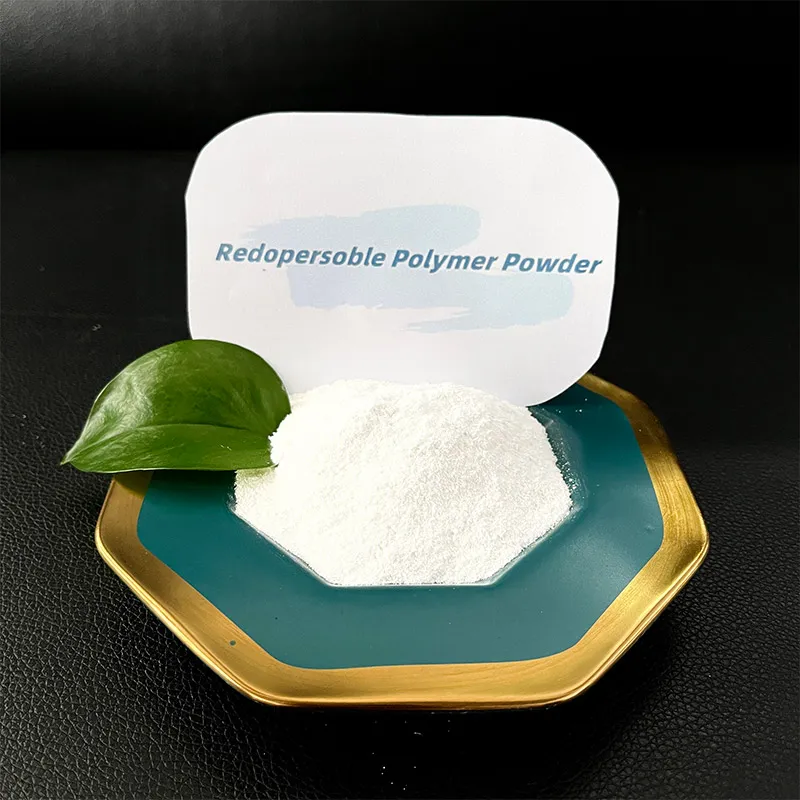
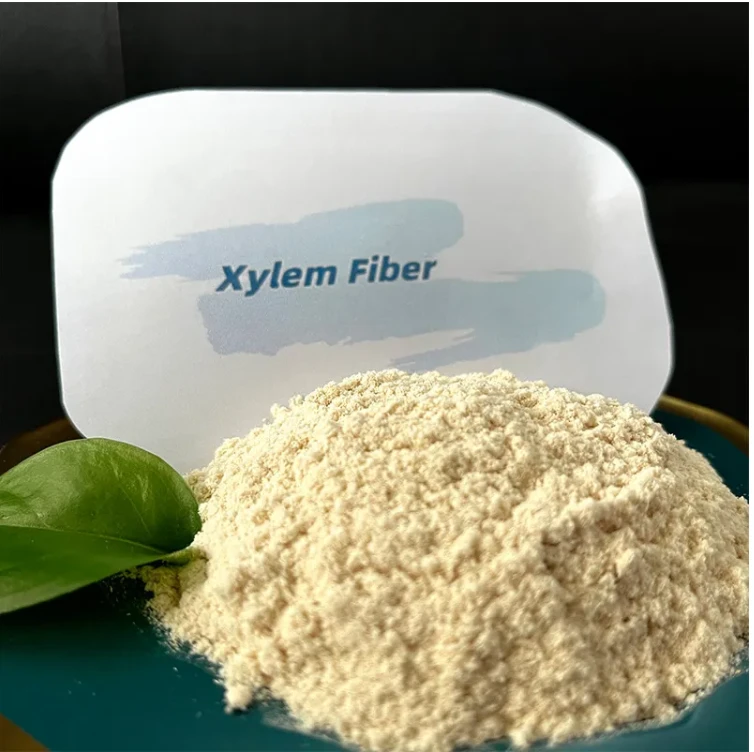


starch ether, starch ether for dry mortar, starch ether price, starch ether uses, starch ether in tile adhesive is a key solution in the chemical industry industry, specifically within Specialty Chemicals and Building chemical additives. This article explores how HeBei ShengShi HongBang Cellulose Technology CO.,LTD. supports professionals with durable, high-performance products, and explains why this product is an ideal choice for businesses in these sectors. Table of Contents starch ether,starch ether for dry mortar,starch ether price,starch ether uses,starch ether in tile adhesive Overview Benefits & Use Cases of starch ether,starch ether for dry mortar,starch ether price,starch ether uses,starch ether in tile adhesive in Building chemical additives Cost, Maintenance & User Experience Sustainability & Market Trends in chemical industry Conclusion on starch ether,starch ether for dry mortar,starch ether price,starch ether uses,starch ether in tile adhesive from HeBei ShengShi HongBang Cellulose Technology CO.,LTD. starch ether,starch ether for dry mortar,starch ether price,starch ether uses,starch ether in tile adhesive Overview Starch ether is a plant-based, chemically modified polysaccharide designed to fine-tune rheology in cementitious and gypsum-based drymix systems. In the Specialty Chemicals domain—especially Building chemical additives—it serves as a workability enhancer and anti-sag/anti-slip agent that complements cellulose ethers such as HPMC/HEMC. By modifying paste viscosity and thixotropy, starch ether helps applicators achieve smoother troweling, better open time, and cleaner edges across a wide range of mortars. For B2B producers, starch ether for dry mortar offers reliable performance at low dosage, typically in the range of 0.05–0.30% depending on formulation and target properties. It helps balance water retention, slump, and application feel without sacrificing strength development when properly formulated. In tile adhesive and renders, it reduces stickiness on the trowel while maintaining vertical hold. HeBei ShengShi HongBang Cellulose Technology CO.,LTD. manufactures consistent, high-purity starch ether tailored for drymix plants. With stringent raw-material selection and in-process quality control, the company focuses on batch-to-batch stability—critical for automated dosing, tight specification windows, and scale-up from the lab to plant. Explore the full product details and technical support resources on the official product page. Benefits & Use Cases of starch ether,starch ether for dry mortar,starch ether price,starch ether uses,starch ether in tile adhesive in Building chemical additives Across building chemical additives, starch ether uses span tile adhesives, cement renders, gypsum plasters, ETICS basecoats/adhesives, and patching mortars. In tile adhesive formulations, starch ether in tile adhesive helps balance open time and anti-slip, providing a smooth, creamy consistency that installers prefer while keeping tiles from sliding on vertical surfaces. In renders and repair mortars, it enhances trowelability and edge retention, enabling cleaner finishing and reduced sag on thicker applications. Key advantages include: - Rheology control: Tunable viscosity and thixotropy for better sag resistance and easier spreading. - Synergy with cellulose ethers: Complements HPMC/HEMC to optimize water retention and workability. - Low dosage efficiency: Delivers performance at small addition levels, preserving formulation economics. - Process robustness: Stable performance under variable cement, filler, and sand gradations. HeBei ShengShi HongBang Cellulose Technology CO.,LTD. brings deep know-how in pairing starch ether grades with different binder systems and redispersible polymer powders (RDP). The company’s technical team supports customers with lab screening, pilot batches, and on-site validation to help accelerate qualification cycles and deliver consistent performance from pilot to production. Cost, Maintenance & User Experience When evaluating total cost of ownership, the starch ether price is only one variable. The true ROI comes from low dose rates, fewer jobsite callbacks (due to reduced tile slip or surface defects), smoother application, and productivity gains for installers. Starch ether’s ability to fine-tune rheology often means fewer formulation tweaks elsewhere, which simplifies inventory and reduces requalification efforts. What influences starch ether price? Grade selection (rheology profile), substitution level, moisture control, packaging, and logistics all play a role. Bulk orders and long-term contracts typically yield the most favorable economics. From a “maintenance” perspective, starch ether requires no special servicing—just proper storage. Keep in original, sealed packaging, protected from moisture and heat, and use on a first-in/first-out basis for best results. Feedback from mortar and tile adhesive producers highlights improved trowel glide, consistent pot life, and stable anti-sag performance with HeBei ShengShi HongBang Cellulose Technology CO.,LTD.’s grades. Plant teams also value predictable flow properties that support accurate dosing and mixing, enabling repeatable quality across batches and production sites. Sustainability & Market Trends in chemical industry The construction chemicals sector is prioritizing performance with a lower environmental footprint. Starch ether—derived from renewable feedstocks and formulated to be low in VOC—aligns with greener chemistry goals while maintaining robust performance in dry mortar. As regulations tighten globally (e.g., REACH, evolving regional building codes, and voluntary ecolabels), demand is rising for additives that help formulators meet both technical and environmental criteria. Market trends include the growth of pre-packed drymix mortars, tighter quality control at job sites, and increased adoption of polymer-modified systems for higher bond strength and durability. In this context, rheology modifiers that deliver reliable workability and anti-sag are essential. HeBei ShengShi HongBang Cellulose Technology CO.,LTD. invests in quality management, traceable supply chains, and continuous improvement to support customers’ ESG targets and regulatory compliance, while providing formulation support that accelerates market entry. By helping reduce rework and ensuring consistent application quality, starch ether indirectly lowers material waste and embodied carbon impacts throughout the install cycle—small percentage inputs that can make a measurable difference at scale. Conclusion on starch ether,starch ether for dry mortar,starch ether price,starch ether uses,starch ether in tile adhesive from HeBei ShengShi HongBang Cellulose Technology CO.,LTD. For B2B decision makers in the chemical industry—especially Specialty Chemicals and Building chemical additives—starch ether delivers dependable rheology control, installer-friendly application, and competitive economics. Whether you are optimizing tile adhesive anti-slip or improving the trowelability of renders and plasters, HeBei ShengShi HongBang Cellulose Technology CO.,LTD. provides consistent quality and expert technical support to streamline your formulation journey. Contact us: email: 13180486930@163.com Visit our website: https://www.sshbhpmc.com
- 40000tons

Production
- 20+years

Experience
- 5000+㎡

Acreage

-
Hydroxypropyl methylcellulose (HPMC) E50 is a versatile and highly valued polymer in various industries, including pharmaceuticals, cosmetics, and construction. Its unique properties make it a product of choice for many manufacturers seeking to enhance the quality and efficiency of their applications. HPMC E50 is a non-ionic cellulose ether derived from natural cellulose, a renewable resource, making it an environmentally friendly option. This compound is known for its remarkable ability to form films and create gels, which are crucial for processes like drug formulation in the pharmaceutical industry. The polymer's consistency and reliability help create controlled release formulations, leading to improved bioavailability and patient compliance. Pharmaceutically, HPMC E50 is indispensable due to its role as an integral part of tablet film coatings. It provides excellent adhesion properties, protects the medicine from moisture, masks taste, and controls the release of the active ingredient. These capabilities not only enhance the stability and shelf-life of pharmaceutical products but also ensure accurate dosing. Manufacturers appreciate HPMC E50's non-reactivity, ensuring it does not interact adversely with active pharmaceutical ingredients (APIs), thereby maintaining the integrity and efficacy of the drug. The construction industry also benefits significantly from HPMC E50, particularly in the production of dry mix mortars and tile adhesives. Its ability to retain water efficiently results in improved workability and extended open time of the mortars. This property reduces cracking and enhances the bonding strength of tiles, thereby ensuring long-lasting finishes in construction projects. Furthermore, HPMC E50 enhances the leveling and anti-sagging properties of applied mixtures, ensuring precision and quality in finishing tasks. hpmc e50 Cosmetically , HPMC E50 is used as a thickening agent in creams and lotions. Its non-irritant nature makes it suitable for products developed for sensitive skin. The compound's ability to stabilize emulsions improves product texture, making it more appealing to consumers. Additionally, its application in personal care products extends to shampoos and conditioners, where it functions to improve viscosity and enhance the overall feel of hair care products. The trustworthiness of HPMC E50 is backed by rigorous testing and certification processes that ensure compliance with industry standards. Pharmacopeias globally recognize it, which cements its authority and reliability. Manufacturers prioritize quality and consistency, and HPMC E50's production processes are meticulously controlled to maintain its high standards. As industries continue to innovate, the demand for reliable and efficient materials like HPMC E50 is on the rise. Its compatibility with diverse applications and its eco-friendly nature contribute to sustainable industrial practices, a priority in modern production paradigms. In conclusion, HPMC E50 stands out as a prime example of a multifunctional compound facilitating advancements across various sectors. Its role in enhancing product performance, ensuring safety and compliance, and supporting sustainable practices makes it a cornerstone material that is certain to remain in high demand. Stakeholders in pharmaceuticals, construction, and cosmetics can rely on HPMC E50 to meet consumer expectations while adhering to stringent industry standards. With continued innovation and application, HPMC E50's potential is only set to expand, reaffirming its place as a critical component in diverse industrial landscapes.
-

Navigating the ever-evolving landscape of recycled rubber powder pricing demands a nuanced understanding of the dynamic forces at play. Recycled rubber powder, a sustainable byproduct derived primarily from end-of-life tires, plays an integral role in various industries, including construction, automotive, and manufacturing, as they seek eco-friendly alternatives without compromising on functionality or quality. Expert insights suggest that the volatility in recycled rubber powder prices can be attributed to multiple factors. One major influence is the fluctuation in raw material availability, particularly given the finite nature of scrap tires. Market demand prominence equally dictates pricing trends. As industries increasingly adopt circular economy principles, the demand for recycled materials, including rubber powder, surges. This demand is often heightened by regulatory mandates pushing for reduced carbon footprints and sustainable resource usage, compelling manufacturers to incorporate recycled components into their supply chains. An additional layer of complexity in pricing comes from the technological advancements in the rubber recycling industry. The introduction of improved pulverizing techniques and more efficient devulcanization processes have enabled higher yield outputs, which may stabilize prices by increasing supply capabilities. However, upgrades and innovations often necessitate capital investment, which could temporarily affect pricing structures as companies recoup these expenditures. Analyzing the geographical variance in pricing, transportation logistics and regional industrial activities significantly influence costs. Regions with established recycling facilities benefit from reduced transportation expenses and a steady supply of scrap tires, which can result in more competitive pricing. Conversely, areas lacking proximity to these resources may face higher prices due to increased logistics costs and supply chain disruptions. recycled rubber powder price Case studies from manufacturers who have successfully integrated recycled rubber powder showcase both environmental and economic benefits. Companies report reduction in material costs by up to 20% when substituting virgin rubber with recycled alternatives, depending on the application. Moreover, these companies often leverage their use of recycled materials as a marketing tool, appealing to a growing consumer base prioritizing sustainability. This strategy not only differentiates their products in a competitive market but also fosters brand loyalty among environmentally-conscious buyers. Building trust in the quality and consistency of recycled rubber powder remains paramount . Certifications and quality assurances, such as those provided by ISO or REACH compliance, are crucial in establishing the credibility of these materials. Manufacturers and suppliers need to maintain transparency regarding the sourcing, processing, and quality control measures to reassure clients of the material's integrity. Industry forecasts predict that as technology and production methods continue to advance, recycled rubber powder will become an even more economical choice, thereby driving down prices in the long term. It is essential for companies to stay informed about these emerging trends and technological improvements to leverage cost benefits effectively. In conclusion, while the pricing of recycled rubber powder might appear complex, understanding the underlying factors provides clarity and foresight. By closely monitoring market demands, technological innovations, and regional influences, industry players can better anticipate pricing changes and optimize their strategies for both environmental and financial gains. Trust and transparency, supported by industry-recognized certifications, will continue to play a critical role in the widespread adoption and success of recycled rubber powder in various applications.
advantages
-

200000 Viscosities
Excellent product
We can produce pure products up to 200,000 viscosities
-

40000 tons
High yield
We don’t stop production all year round, and the annual output can reach 40,000 tons
-

24 hours
Quality service
We provide 24-hours online reception service, welcome to consult at any time
———— Inquiry Form
Schedule A services

-
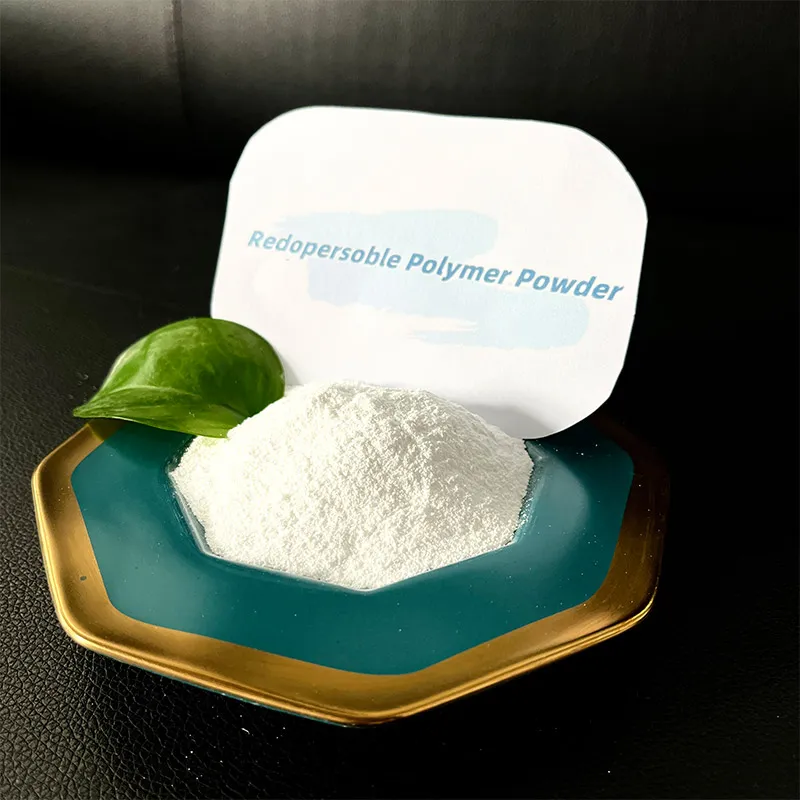 methylcellulose_used_in_pharmaceuticals
Oct . 25, 2025
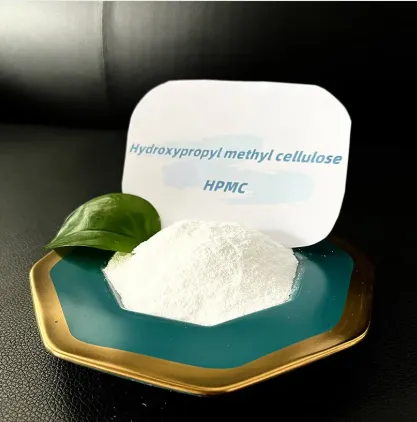
Hydroxymethyl cellulose , often encountered in its more prevalent derivative form hydroxypropyl meth -
 fibra_hecha_de_pulpa_de_madera
Oct . 25, 2025
Polyolefin fibers, an essential component in the textile and manufacturing industries, have signific -
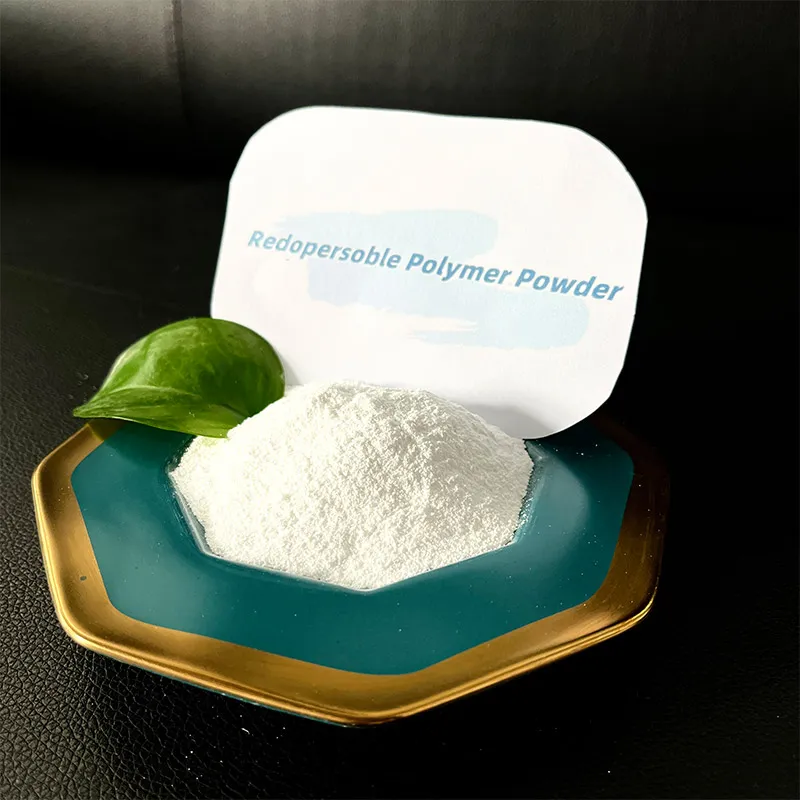 redispersible_polymer
Oct . 25, 2025
Hydroxypropyl methylcellulose (HPMC) and methyl hydroxyethyl cellulose (MHEC) are both crucial compo


